daniel’s theories
Complex networks10
ClearPaperarXiv.org28 January 2025
Understanding the importance of SHAPE to the UK research ecosystem
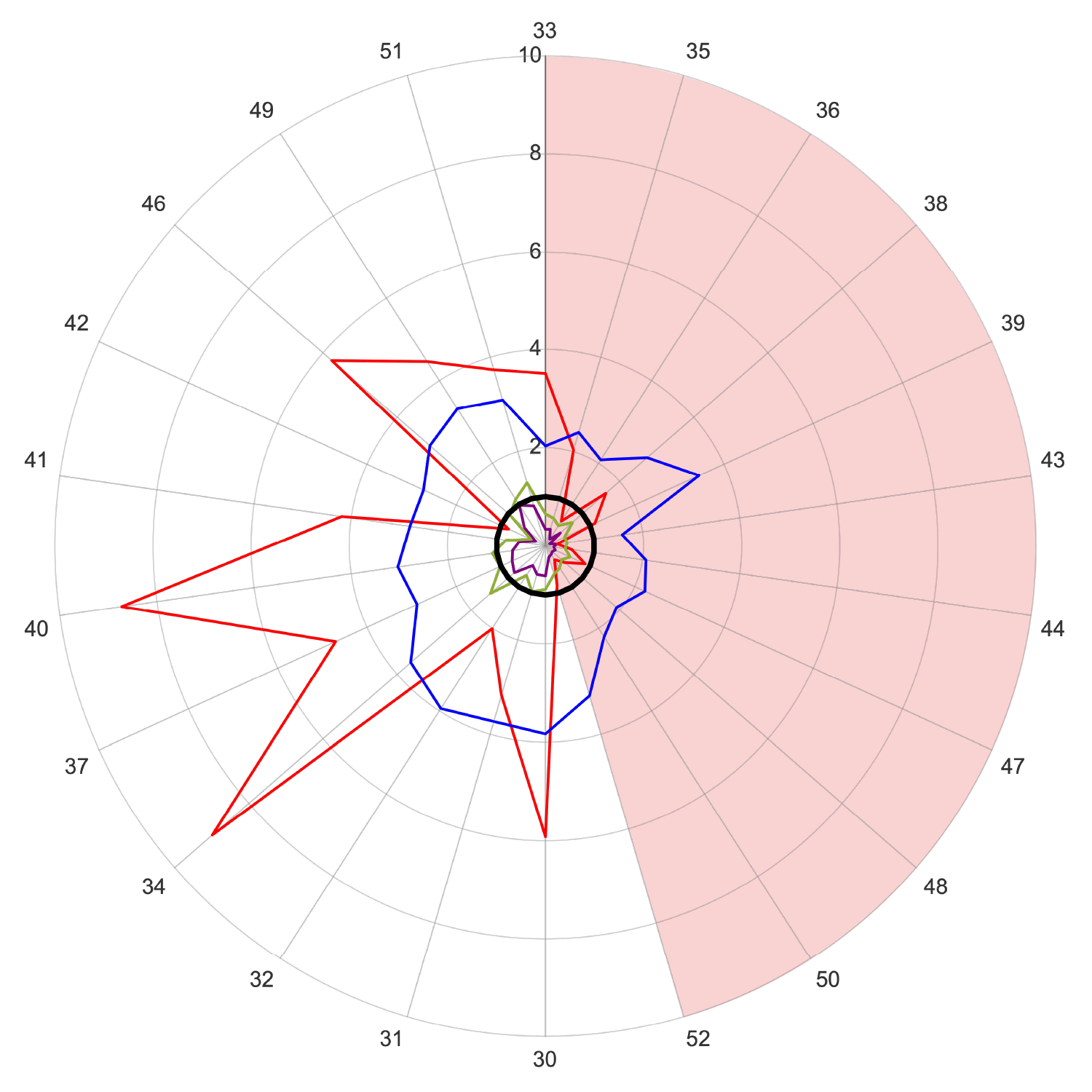
The UK has a long-established reputation for excellence in research across a broad range of fields, but in recent years, there has been greater emphasis on STEM investment and greater recognition of the UK's success in STEM. This paper examines the relative strengths of SHAPE disciplines and demonstrates that the UK's SHAPE research portfolio outperforms the UK's STEM research, for each international benchmark considered in this work. It is argued that SHAPE research is becoming increasingly important as a partner to STEM as the widespread use of technology creates societal challenges. It is also argued that the strength of UK SHAPE is the basis of a strategic advantage for UK research.
PaperSage13 February 2023
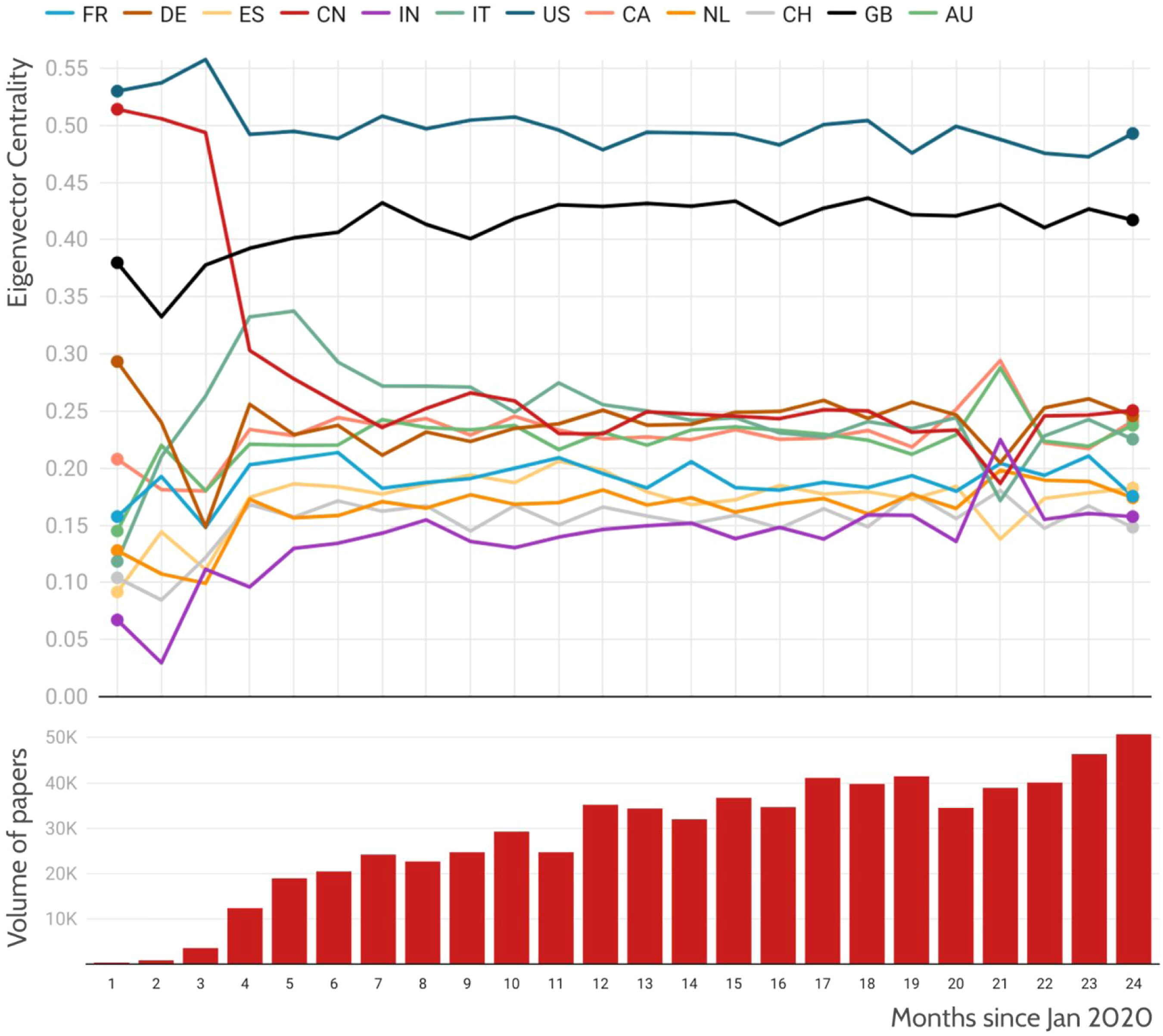
The pandemic veneer: COVID-19 research as a mobilisation of collective intelligence by the global research community
The global research community responded with speed and at scale to the emergence of COVID-19, with around 4.6% of all research outputs in 2020 related to the pandemic. That share almost doubled through 2021, to reach 8.6% of research outputs.
Articledirect.mit.edu26 December 2022
Recategorising research: Mapping from FoR 2008 to FoR 2020 in Dimensions
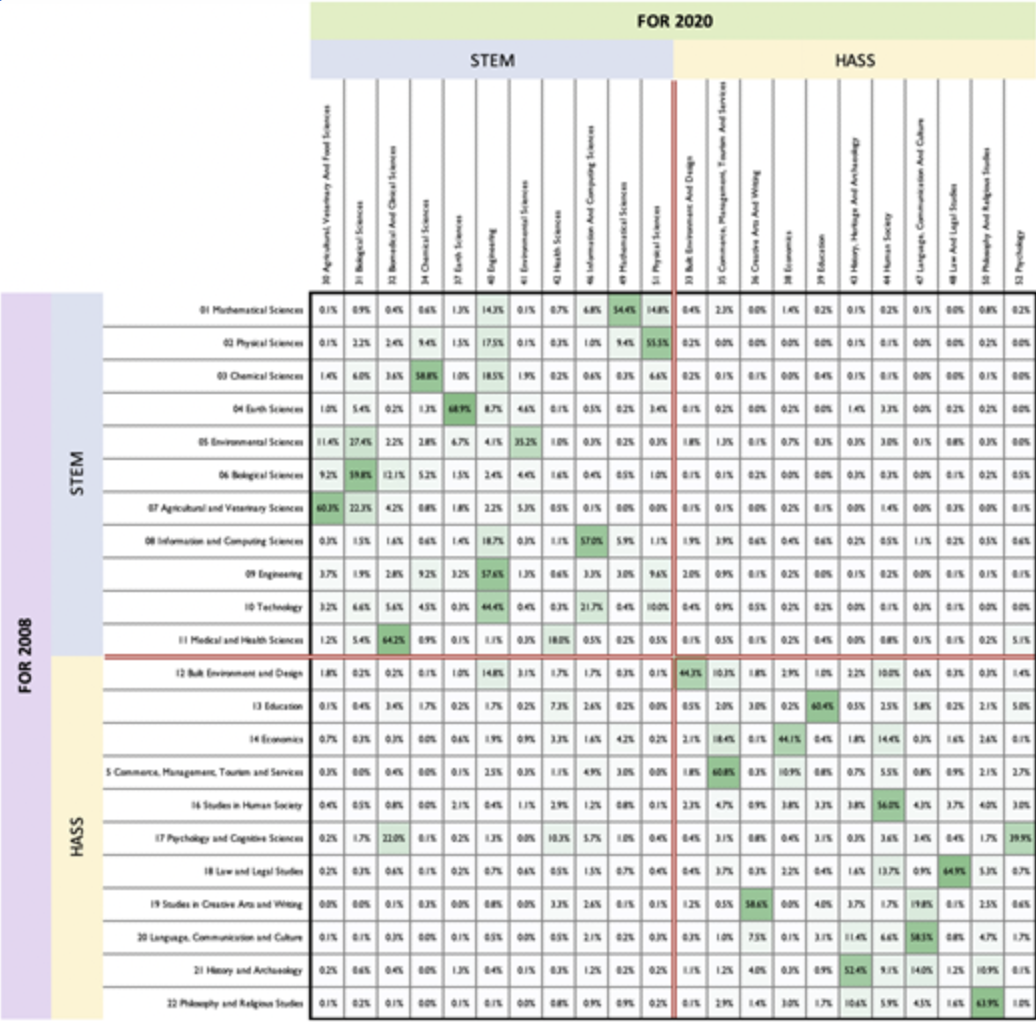
In 2020 the Australia New Zealand Standard Research Classification Fields of Research Codes (ANZSRC FoR codes) were updated by their owners. This has led the sector to need to update their systems of reference and has caused suppliers working in the research information sphere to need to update both systems and data. This paper focuses on the approach developed by Digital Science’s Dimensions team to the creation of an improved machine-learning training set, and the mapping of that set from FoR 2008 codes to FoR 2020 codes so that the Dimensions classification approach for the ANZSRC codes could be improved and updated.
ArticleDigital Science18 October 2022
Five measures that chart the rise of Chinese influence in global research
If China continues on its current path, within a decade it will be vying for pre-eminence in its ability to influence the global research conversation.
ArticleDigital Science29 September 2022
Research in the second Elizabethan era: A platinum age for the Commonwealth and the UK
What will be the legacy of Elizabeth II’s long-lasting reign for science and technology?
PaperDigital Science7 May 2020
Contextualizing Sustainable Development Research
This report highlights the growth in research around the UN’s Sustainable Development Goals (SDGs). We believe the SDGs are now more relevant than ever, for they provide a framework for recovery from the current pandemic. In the report we ask, if we are to have an impact agenda for research, should it not be one that is informed by the SDGs? And if so, should we not be actively measuring sustainable development as part of research evaluation?
PaperPLOS ONE28 May 2019
Perception, prestige and PageRank
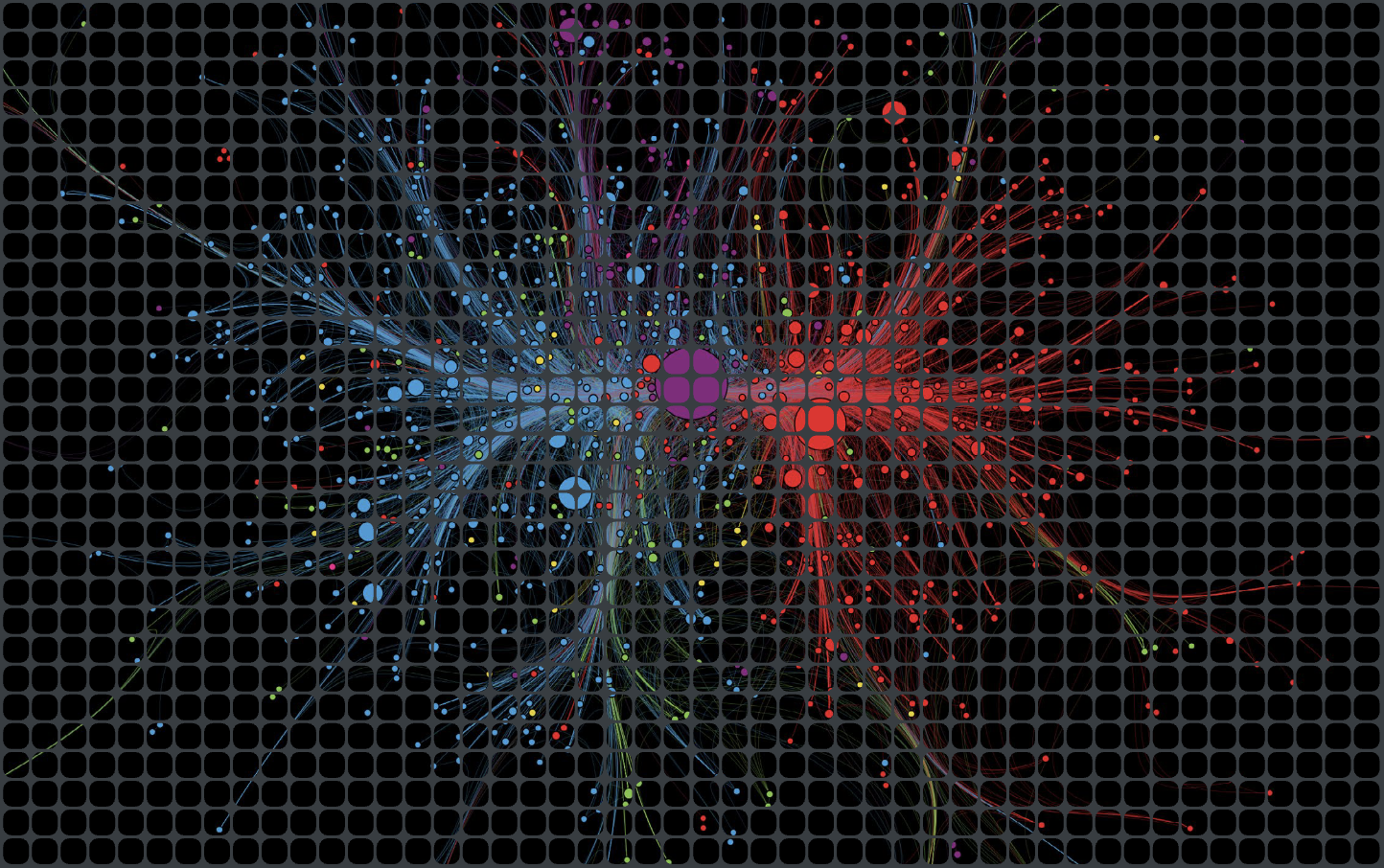
Academic prestige is difficult to quantify in objective terms. Network theory offers the opportunity to use a mathematical formalism to model both the prestige associated with an academic and the relationships between academic colleagues. Early attempts using this line of reasoning have focused on intellectual genealogy as constituted by supervisor student networks. The process of examination is critical in many areas of study but has not played a part in existing models. A network theoretical “social” model is proposed as a tool to explore and understand the dynamics of prestige in the academy.
PaperDigital Science11 February 2019
Japanese Collaboration in the Global Research Landscape
Japan finds itself in a difficult position regarding ongoing funding for research in turbulent financial times but is starting to be much more active on the world stage. The indicators show a positive future for Japan if the leadership of top researchers can cascade down to the broader research population and make Japan much more outward bound in its research collaboration landscape. If this is supported by funders with innovative approaches to funding and incentivising Japan’s increased engagement and visibility on the world research stage then Japan looks forward to a prosperous and important place in the global knowledge economy.
PaperDigital Science17 September 2018
The Fourth Age of Research in Australasia
In this report, we take a new look at international collaboration patterns focussing on the Australasian region. More than other regions in the world, Australasia has always been outward looking and its research community has sought to connect itself with international partners. This is, no doubt, in part due to the geographical location of the continent but other factors play a role including the heavy development of Australasia’s research base in the last few years and the importance and power of that research base as an economic driver for the region. More recently, a coherent focus has been taken across the region to international engagement. We have used Digital Science’s Dimensions database together with a filter of high-quality journals provided by the Nature Index journal list to explore the national and international collaboration landscape in Australia and New Zealand.
PaperDigital Science14 March 2017
The Connected Culture of Collaboration Report
Overleaf, a collaborative writing and publishing platform that makes the process of writing, editing and publishing academic papers quicker and easier, has released this report which takes an in-depth look at active collaborative research patterns. Rather than examining post-published collaboration patterns, “The Connected Culture of Collaboration” explores new, real-time information on collaboration to provide insights on collaboration patterns on national, state and institution-level scales. The report features a number of thought leadership contributions and includes a foreword from Laurel Haak, Executive Director, ORCID. The report focuses on the varying aspects of collaboration: how collaboration is valued in science, the role of university libraries in research communication, and how the growth of open access facilitates collaboration.





* ordered by publication date, which is not the same as when any of it was written.