daniel’s theories
20239
ClearArticleDigital Science30 October 2023
Specificity versus synthesis: An uncertainty principle for Large Language Models?
Large Language Models are known to hallucinate facts. While there is an active debate on whether this is a bug or a feature, the fact remains that we don't understand AI to the level where we can get LLMs to trace back to their motivation for making a specific pronouncement. Thus, LLM providers who work in the science space are faced with a challenge - they want to leverage the new capabilities of LLMs but need somehow to create references back to the original work, but in forcing an LLM to work in a way that creates referencability, one destroys its ability to create a synthesis from multiple sources, creating a fundamental playoff between specificity and synthesis.
ArticleDigital Science27 June 2023
The lone banana problem. Or, the new programming: “speaking” AI
The effects of new technology are seldom either solely positive or solely negative and, as such, there is a responsibility that sits with those that develop technology to consider how it will be used. Underlying that responsibility sits a need to deeply understand technology. The recent rise of Large Language Models (LLMs) and its rapid adoption begs many questions about whether we understand the technology and whether we understand how it will impact us at a cultural, societal, or economic level. When I have written before on this topic I have noted that it is not the large biases that are…
ArticleDigital Science9 May 2023
Tinker, researcher, prompter, wizard
Until six months ago most of us probably hadn’t placed the words “prompt” and “engineer” in close proximity (except possibly for anyone involved in a construction project where a colleague had arrived to work consistently on time). Today, a “prompt engineer” is one of a new class of emerging jobs in a Large Language Model (LLM)-fueled world. Paid in the “telephone-number”-salary region, a prompt engineer is a modern day programmer-cum-wizard who understands how to make an AI do their bidding.
TalkDeSci Foundation8 May 2023
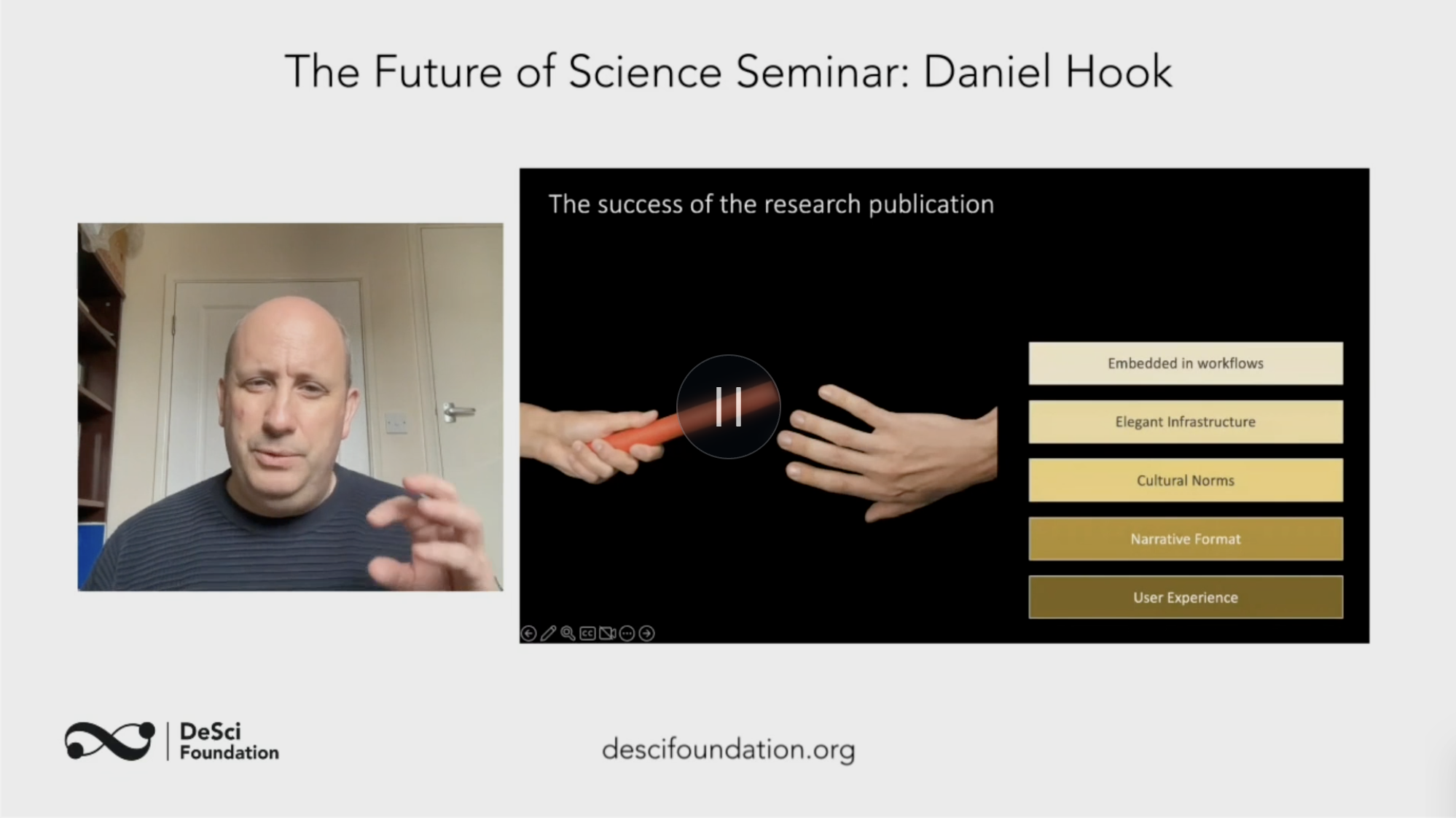
Scholarly Communication at the Dawn of Exponential Revolution
It is clear that we are entering a new phase of technological growth: Not an industrial revolution of the type that we have seen before but an exponential revolution awaits with all the challenges and wonders that entails. An abundance of data coupled with sophisticated tools for both capturing and analysing data has transformed research over the last half century. And yet, scholarly communication is still reliant on 17th Century technology. In this seminar we examine why this is the case and what the future of scholarly communication could look like.
ArticleDigital Science3 May 2023
The importance of adding context
Adding context is one of the most important things that we do at Digital Science, whether that be through the tools that we make available to the research community while they’re making decisions, carrying out research or communicating their findings, or through our direct outreach and engagement with the community such as on our blogs and in our reports. TL;DR is not just a place to write our thoughts – it is a conversation. It is at once a place for us to test ideas and to showcase methods and techniques, and at the same it is a place to connect with a community, to receive feedback and s…
ArticleDigital Science13 April 2023
For scholars’ eyes only?
Celebrating the 70th anniversary of James Bond, Digital Science CEO Daniel Hook investigates the character’s global impact on research.
ArticleDigital Science9 March 2023
Symplectic at 20: Thoughts from Digital Science’s CEO
Digital Science CEO and co-founder of Symplectic Daniel Hook reflects on why Symplectic is a special partner within the research community.
PaperSage13 February 2023
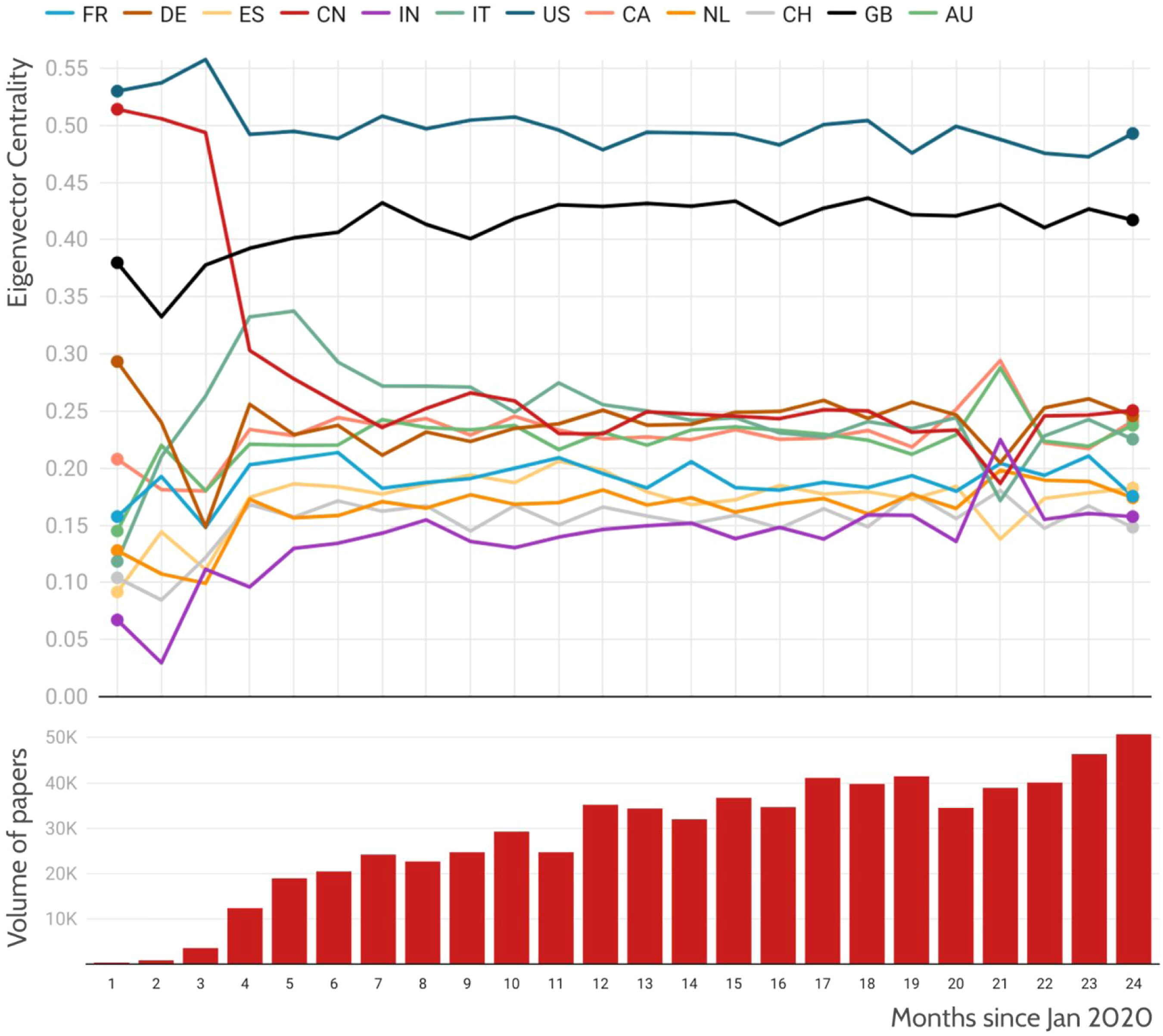
The pandemic veneer: COVID-19 research as a mobilisation of collective intelligence by the global research community
The global research community responded with speed and at scale to the emergence of COVID-19, with around 4.6% of all research outputs in 2020 related to the pandemic. That share almost doubled through 2021, to reach 8.6% of research outputs.
ArticleDigital Science12 January 2023
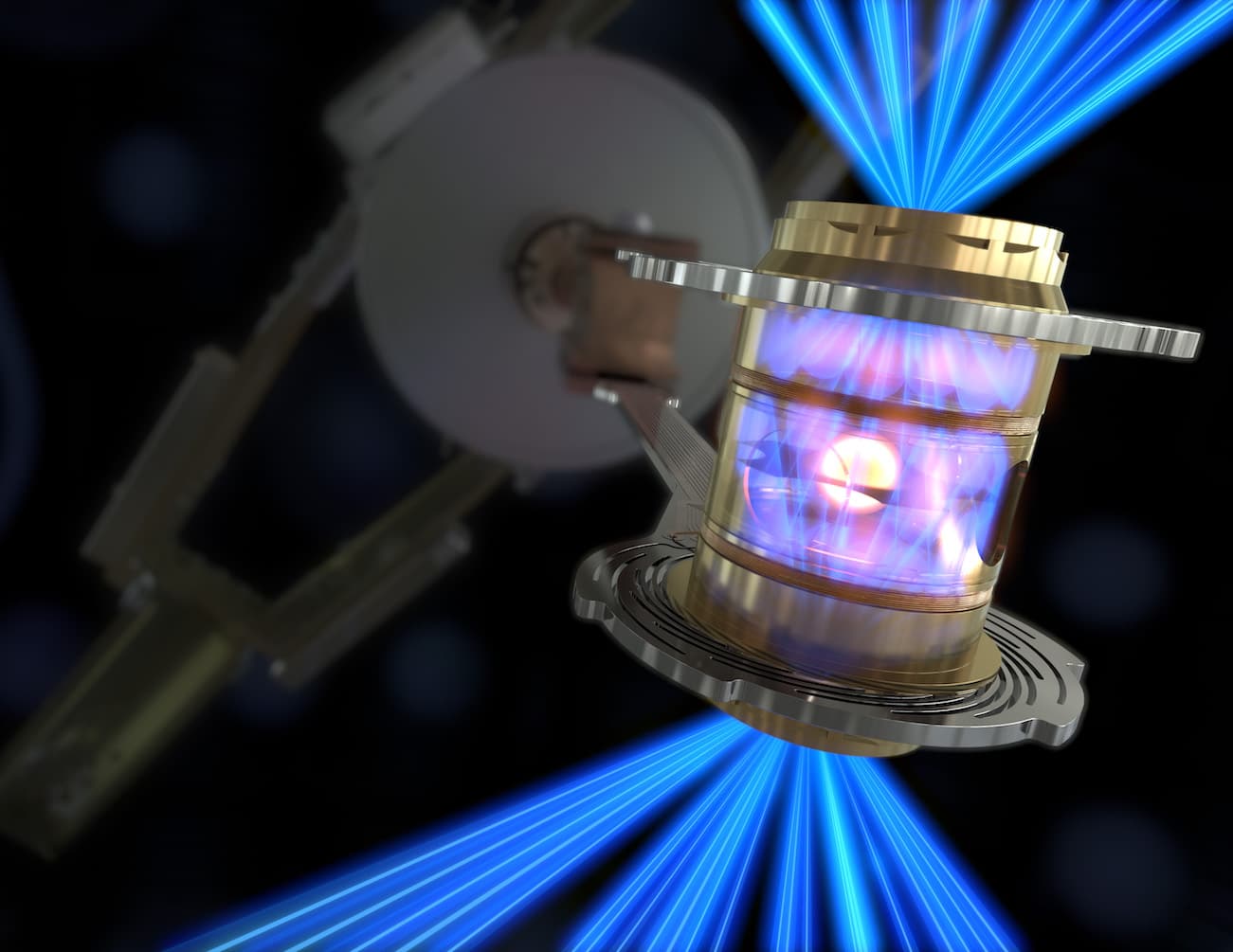
Will we only ever dream of endless energy?
Digital Science CEO Daniel Hook discusses the impact of recent developments in nuclear fusion, and why his 14-year-old self got it wrong.





* ordered by publication date, which is not the same as when any of it was written.